

Loading...
TOLU
This site uses necessary cookies to keep language and basic functions working. If you agree, we may also use analytics cookies to see which pages are read. We do not sell personal information.
Read the privacy policy →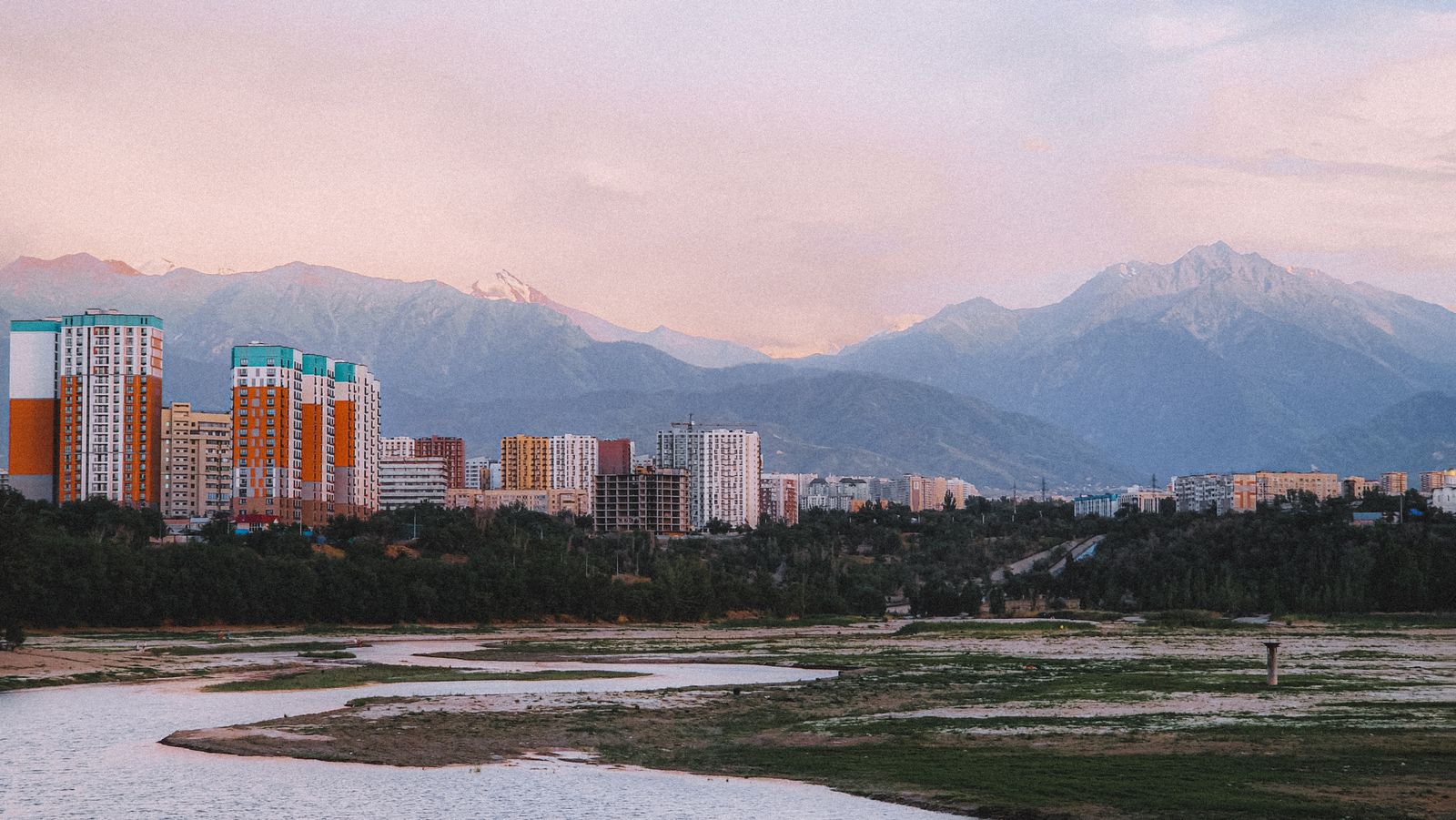
Regional cooperation, connectivity and political-economic change.
The countries of Central Asia share deep historical ties, yet they have taken distinct developmental paths. Because they lie far from the sea, they are often seen from the outside as inland and closed. TOLU’s regional research covers the international relations of Central Asian states, trade corridors, border management, ethnic societies, culture and religion, and the changing external partnerships of the region, among other questions.
01
Multi-vector diplomacy, energy and Eurasian connectivity.
02
Political change, hydropower and regional interdependence.
03
Reform, regional trade and reconnecting Central Asian markets.
04
Water, borders and development in a mountainous republic.
05
Energy exports, neutrality and limited but consequential regional ties.
Latest Topics
Central Asia
Fieldwork
The trans-Caspian Middle Corridor is promoted as an alternative to routes through Russia, yet capacity, customs and political risk still decide whether cargo actually moves. This work follows ports, rail gauges, documentation and insurance along the chain from Central Asia to the South Caucasus and Europe, and maps where delays, fees and geopolitics concentrate.
Read topic →Central Asia
Ongoing
Kazakhstan’s multi-vector diplomacy is tested most clearly in oil, gas and uranium: export pipelines, Caspian shipping and new offtake talks with China, Russia and Europe. The project examines how Astana diversifies routes without rupturing existing contracts, and what pipeline politics reveal about bargaining power inside a constrained neighbourhood.
Read topic →Central Asia
Scoping
Upstream hydropower in Tajikistan and Afghanistan and downstream irrigation in Uzbekistan and Turkmenistan keep the Amu Darya a standing source of political friction. The study looks at reservoir timing, treaty gaps and climate stress, and at the institutions that still have to allocate water when seasonal flows no longer match Soviet-era assumptions.
Read topic →Central Asia
Fieldwork
Capital-city redevelopment in Tashkent and Almaty is changing housing, public space and who is visible in the urban core. The work reads master plans, demolition and new business districts against social policy and local politics, and treats the two cities as a paired view of how Central Asian metropolises stage growth, order and international image.
Read topic →Trade Corridors
Regional Organizations
External Partnerships
International Relations
Ethnic Societies
Culture and Religion

